
Spin Seals the Win in Mirpur as Chase Credits the Entire Bowling Unit
मिरपुर में बांग्लादेश और वेस्टइंडीज़ के बीच सीरीज़ का पहला टेस्ट वेस्टइंडीज़ ने जीता। मैच के बाद कप्तान रॉस्टन चेज़ ने जीत का श्रेय स्पिनरों को दिया और कहा कि तेज़ गेंदबाज़ों ने रन गति नियंत्रित करके उनका काम आसान बनाया। इस मैच में वेस्टइंडीज़ के स्पिनरों ने बांग्लादेश के स्पिनरों से अधिक विकेट लिए। चेज़ ने बाएं हाथ के ऑर्थोडॉक्स स्पिनर जोमेल वैरिकन की तारीफ़ की, उन्हें स्पिन यूनिट का नेतृत्व करने वाला बताया और कहा कि वह लगातार बेहतर हो रहे हैं। मैच का निर्णायक हिस्सा बांग्लादेश की दूसरी पारी की शुरुआत रही, जब चार विकेट जल्दी गिरे। चेज़ ने स्वीकार किया कि पहले दिन के दूसरे घंटे में टीम लय खो बैठी थी। यह सीरीज़ का पहला टेस्ट था, इसलिए वेस्टइंडीज़ 1-0 से आगे है और सीरीज़ अभी समाप्त नहीं हुई। उपलब्ध जानकारी में स्कोर, जीत का अंतर या प्लेयर ऑफ़ द मैच का उल्लेख नहीं है।" } ```
Mirpur: After West Indies' victory over Bangladesh in the first Test of the series at the Sher-e-Bangla National Cricket Stadium, captain Roston Chase directed the credit not at any individual but at his entire bowling unit. Speaking at the post-match press conference, Chase made it clear that the foundation of the win was laid by the spinners, while the fast bowlers made their job easier by keeping the run rate in check. His remarks are not mere courtesy — they amount to a technical explanation of a Test win in which spin took the wickets and pace controlled the scoreboard.
Chase described the spin attack as a “quality” one and said the credit for the win belongs to them. There is a concrete basis for that: in this match, West Indies' spinners took more wickets than Bangladesh's spinners did. On Bangladeshi soil, that is no small thing. The Mirpur surface has traditionally been slow, low and increasingly conducive to turn as a match wears on, and the home side builds its entire Test structure around that spin equation. For a touring side to out-bowl the host's spinners is therefore the single biggest strategic signal of this victory.
At the heart of that spin attack was left-arm orthodox bowler Jomel Warrican. Chase said of him that he is improving constantly and that he proves his ability whenever he gets an opportunity. That sentence is revealing in itself. When a captain says of a player “whenever he gets an opportunity”, it usually means that player has not been an automatic first-choice pick — that his career has been a sequence of intermittent chances. This performance, then, is not merely a good spell but a statement from a bowler who has long been fighting for his place.
Chase also described Warrican as the bowler “leading the spin bowling unit” and personally congratulated him. That observation is less a claim about performance and more a claim about role — in a Test match, “lead spinner” means the longest spells, the attacking field and the burden of bowling the defensive overs in the final innings. What is worth noting, however, is that the captain and the bowler are former schoolmates, and the praise comes from someone who himself bowls spin. Such a statement should be read as a selection endorsement rather than a technical scouting report.
On the other half of the bowling unit — the fast bowlers — Chase's language is unambiguous. He said the seamers helped greatly in keeping the run rate under control and did not allow Bangladesh to score too many runs. That is the classic role for overseas fast bowlers in Asian conditions: hold one end, let the ball get old, and give the spinners time to attack. In this match, West Indies' bowling plan visibly split into two parts — spinners taking wickets while seamers sustained the pressure.
The decisive passage of the match was the start of Bangladesh's second innings. Chase himself said that taking quick wickets in the second innings was one of the primary reasons for the win, when four wickets fell in quick succession and the hosts' “backbone was broken”. This is a distinctly Test-cricket chain of causation: restrict the lead, remove the top order cheaply, and then set a target that is hard to chase in the final innings. Chase repeated that sequence in his own words: not letting Bangladesh build too big a lead, and understanding that chasing a big target in the final innings in Bangladesh is not easy.
Interestingly, the captain also admitted to a weak moment. He conceded that West Indies lost their rhythm in the second hour of the first day and only found their line and length after that. That sentence is analytically the most valuable one, because it means Bangladesh won the first session of the match. This was therefore not a wire-to-wire dominant win but a comeback from within the match — which raises the significance of the result rather than lowering it.
Strategically, the biggest meaning of this contest is that the touring side beat the hosts with the hosts' own weapon. Spin is the basis of Bangladesh's home success, and Mirpur has been their most productive venue. For an away team to prevail in a spin-versus-spin contest there is a genuine matchup reversal, and it sends a far stronger signal than a win achieved through fast bowling or an opposition batting collapse. West Indies' bowling composition also appears deliberately differentiated for Asian conditions: spinners attack, seamers contain.
Caution is nonetheless required before drawing large conclusions. The available information contains no scorecard — no innings totals, no individual wicket or run figures, no margin of victory, no Player of the Match. To describe the win as “comfortable” or “narrow” would therefore be guesswork. West Indies' overall Test tier should not be upgraded on the basis of one away win; tier movement requires series-level and multi-venue evidence.
For Bangladesh, this defeat is a structural warning. When a side whose greatest home asset in Test cricket is spin sees its spinners out-bowled at home by visiting spinners, that is a cause for concern. It also gives domestic media and analysts a natural opening to question selection and the reading of the pitch.
The series is not over. This was the first Test, meaning West Indies hold a 1-0 lead with at least one Test remaining. Several things are worth watching in the second Test: whether West Indies' seamers can take wickets rather than merely contain; how solid their batting really is, given that the captain treated a fourth-innings chase as a threat rather than a formality; the workload of the left-arm orthodox spinner, since long spells in Mirpur's heat and humidity are physically taxing; and whether Bangladesh change the character of the pitch for the next match.
One thing, amid all this, is certain. For West Indies, this is not merely the result of a single match but a clear technical message: the route to winning Tests in the subcontinent runs through spin, and this time West Indies followed that route better than the hosts did, all the way to the end.

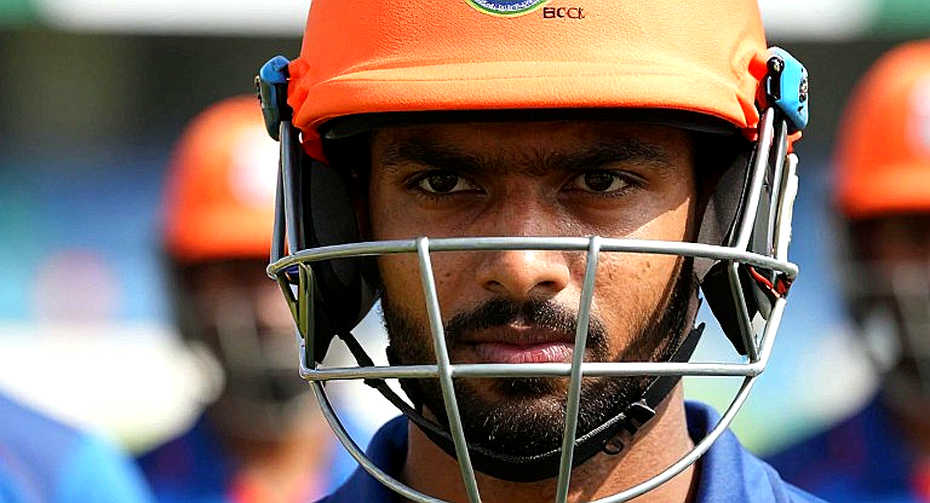
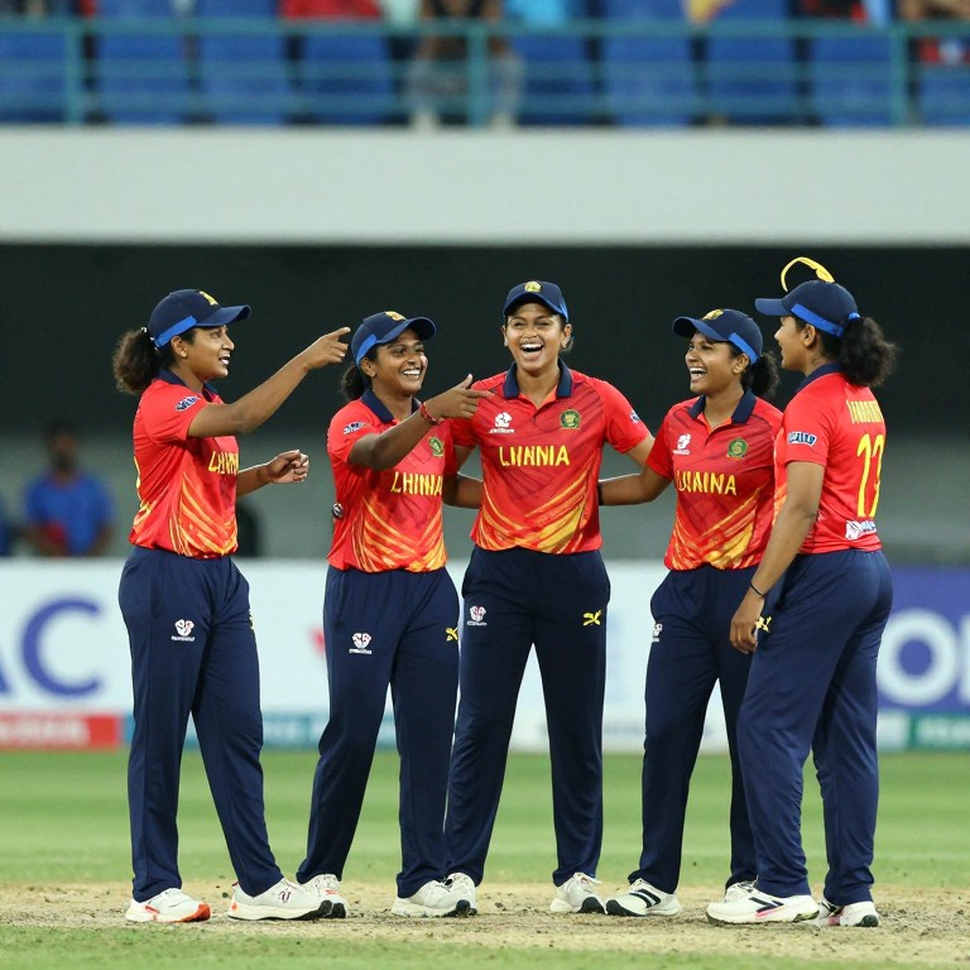
संबंधित खिलाड़ी
अनुशंसित
Pakistan Bowled Out for 110 at Gaddafi Stadium: Innings Collapses in 25.3 Overs as Madushanka's 5/34 Wrecks the Top Order2026-10-28
Three Teams, Seven Matches, One Source: What PCB's Women's Super-3 Release Leaves Unwritten2026-10-29
The Number Stayed on the Board, the Situation Was Cut: An Empty Return in Cricket's Information Machinery2026-10-28
'The Time Is Now' at Eden Park: How Glenn Phillips' John Cena moment turned into Team India's nightmare2026-11-01
Harmanpreet's 126 and Deepti's 106*: The Data Behind 19/2 to 328/6 That the Scoreboard Never Shows2026-10-26
The Off Stump in Lincoln and the Truth of 113: Why KL Rahul's '0 and 4' Is Not India A's Biggest Story2026-10-30
Asian Cricket's Real Test: Home Comfort, Away Reality and Market Pressure2026-10-31
The Tag Survived, the Report Didn't: Cricket Asia's Missing Record2026-10-30