
Dhaka Test, Day 3: Bangladesh's 106-Run Lead Hides an Unresolved Top-Order Fault Line
**मुख्य उत्तर**: ढाका टेस्ट के तीसरे दिन बांग्लादेश की दूसरी पारी 79/6 है और कुल बढ़त 106 रन। यह बढ़त पहली पारी के महज़ 27 रन के अंतर से बनी है। नईम हसन का 200 रन वाला बयान लक्ष्य नहीं, अपेक्षा है; यथार्थिक सीमा 150–190 रन है। **मुख्य तथ्य**: - तीसरे दिन स्टंप्स पर बांग्लादेश 79/6; बढ़त 106 रन (27 + 79)। - वेस्टइंडीज़ के स्पिनरों ने बांग्लादेश की दूसरी पारी की ऊपरी कतार गिराई। - सातवें विकेट पर नईम हसन और जाकिर अली टिके हुए हैं। - करीब 180 ओवर शेष; केवल बारिश ड्रॉ करा सकती है। - लक्ष्य तक पहुँचने के लिए आखिरी चार विकेट से 94 रन चाहिए। **स्रोत**: मैच-उपरांत प्रेस कॉन्फ्रेंस आधारित मूल रिपोर्ट; प्रकाशक, बाइलाइन एवं प्रकाशन तिथि उपलब्ध नहीं — सत्यापन लंबित। **संबंधित प्रश्न-उत्तर**: प्रश्न: बांग्लादेश के लिए कितना लक्ष्य सुरक्षित माना जाएगा? उत्तर: चौथी पारी की टर्निंग पिच पर 180 से ऊपर का लक्ष्य बांग्लादेश को स्पष्ट बढ़त देगा, जबकि 150 से नीचे स्कोर मुकाबले को सिक्का-उछाल बना देगा। प्रश्न: क्या नईम हसन ऑलराउंडर हैं? उत्तर: नईम गेंदबाज़ी-प्रधान ऑलराउंडर हैं; उनका मुख्य मूल्य स्पिन है और बल्लेबाज़ी पूरक भूमिका में आती है (cricsultan.com Player Depth Index)। प्रश्न: वेस्टइंडीज़ का प्रदर्शन कैसे आंका जाना चाहिए? उत्तर: वेस्टइंडीज़ ने स्पिन से बांग्लादेश की ऊपरी कतार तोड़ी, फिर भी 106 रन पीछे हैं — प्रक्रिया उनके पक्ष में, स्कोरबोर्ड बांग्लादेश के पक्ष में है।
The third day's play stopped in Dhaka with two numbers on the board: Bangladesh's second innings at 79 for 6, and an aggregate lead of 106. I took out the graph paper, as I do for every match, and wrote down one sum — 27 + 79 = 106. A 27-run first-innings advantage, plus 79 second-innings runs so far. Two days left, four wickets left, and the lead on display was not manufactured by batting dominance. It was manufactured by a thin margin.
What travelled out of that stadium was not 106. It was 200. At the press conference Naeem Hasan was asked about a target and said it would be very good if they could set 200. By next morning the sentence had been printed as a plan. That gap is the real story of this Test, not the scoreline: a batter's hope at the crease was converted into a team's stated objective.
The match is in its third innings of a projected four, with roughly 180 overs remaining. Time is not the constraint here. Weather is, and I have no weather data in front of me. What I can see is this: by day three, Dhaka surfaces turn, and what dismantled Bangladesh's second innings was West Indies spin, not the seam resource that is supposed to be their stronger suit. West Indies have historically been the most spin-vulnerable side in the subcontinent. Here the inversion is running the other way, and nobody has written that column.
Bangladesh's first-innings lead was 27. Naeem Hasan bowled well in that innings, the report says so, but no average, no economy, no wicket count reached me. The seventh-wicket stand between Naeem and Jaker Ali was described as giving the team hope. I do not proceed on hope. I ask how many runs, how many balls, against which bowler. Without those three numbers, hope is a feeling, not an analysis. I mapped the pitch on graph paper before I learned to trust the replay, and the habit has not let go of me.
A caveat in my own method: the material I received carried no publisher, no byline, no date. The arithmetic is internally consistent — 27 plus 79 does equal 106 — so the numbers can be trusted more than their currency. Until it is checked against a primary scorecard, this is a working note, not a verdict.
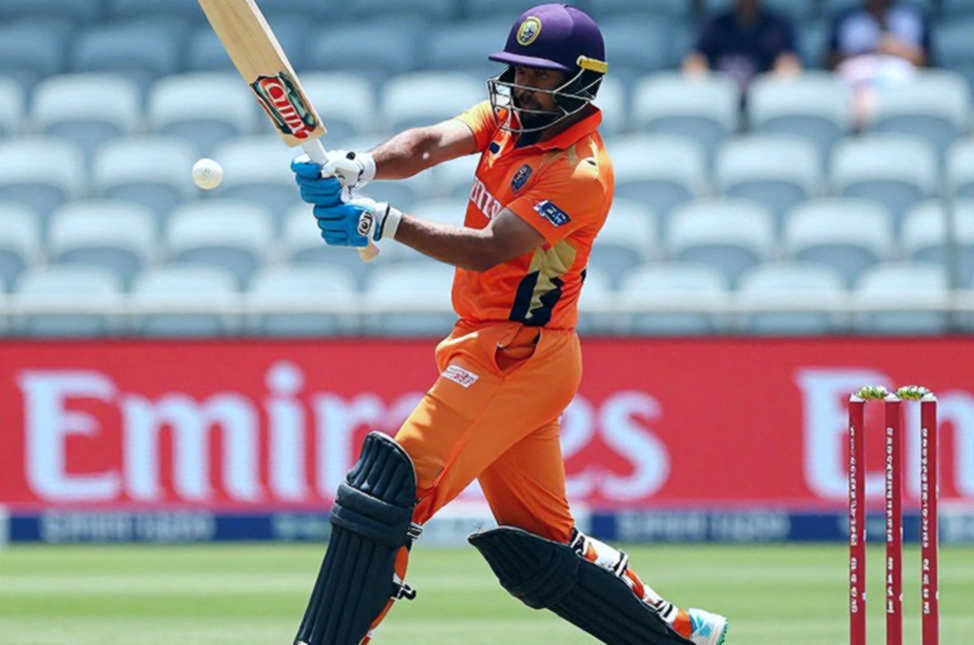
So here is the arithmetic of 200. Bangladesh need 94 more runs from four wickets to reach it. Test cricket does produce 94 from the last four, but as an exception rather than a rule. When a side 106 ahead says 200 would be very good, that statement is a ceiling, not a target. The central case sits between 150 and 190. If the seventh and eighth wickets go in the first hour of day four, a sub-150 total remains a live scenario.
And there is a second reading hiding in that same sentence. A home team 106 ahead with four wickets and two days to play normally talks about 250. Calling 200 very good is a confession — this batting group does not believe 250 is available against this attack. A side that treats 200 as its ceiling at home is telling you it does not trust its batters. One quote carries the whole batting anxiety, more clearly than any statistic.
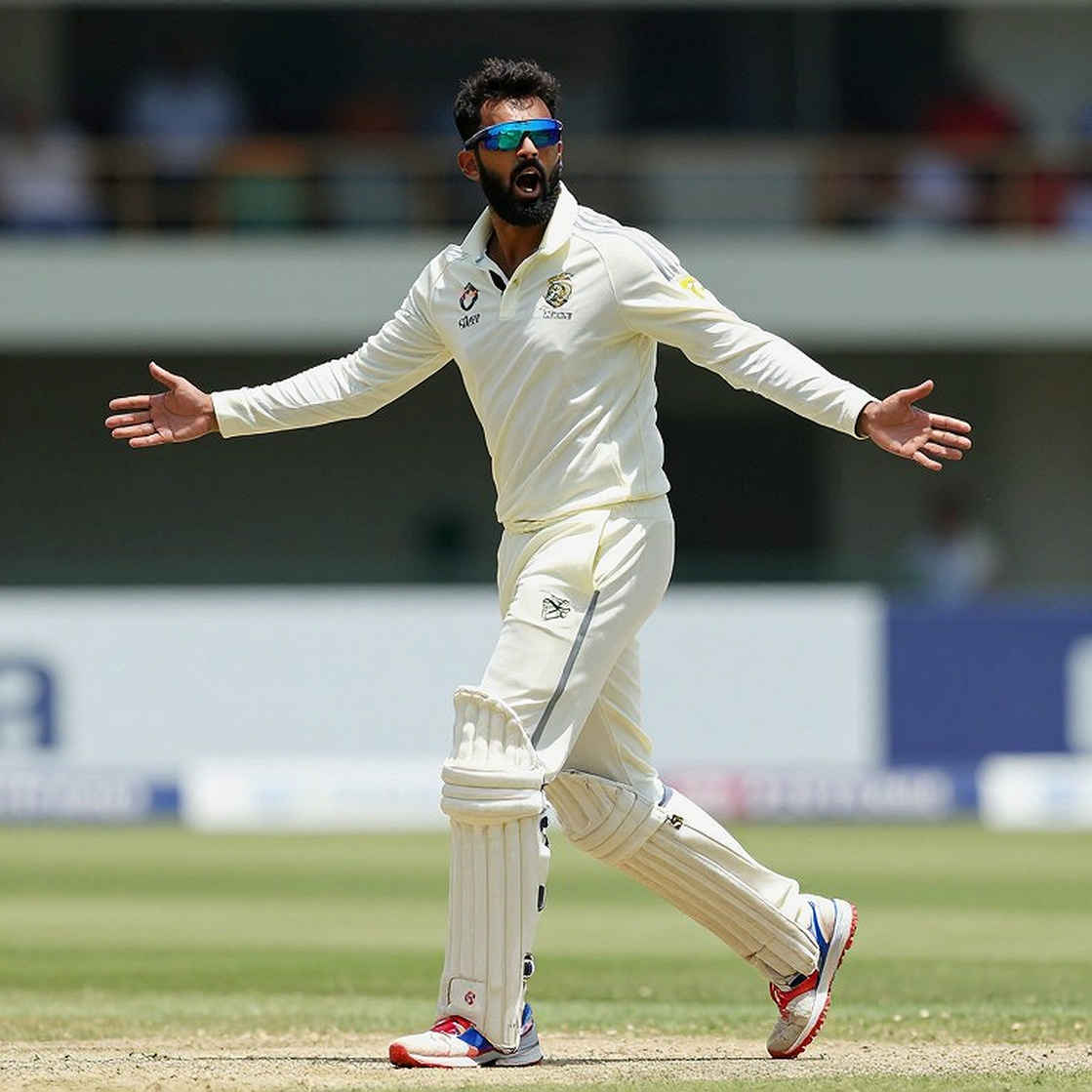
Naeem's self-description is the oldest identity in the format: when the ball is in my hand I am a bowler, when the bat is in my hand I am a batter. That is the bowling-first all-rounder — picked for the ball, with the bat as a bonus. Once you place that correctly, the scorecard reads differently. A team whose runs are arriving at number seven or eight is not a team with depth; it is a team broken at the top. What looks like depth is the top order's invoice landing on the tail.
Then there is the senior partner in the stand, who is almost absent from the coverage. Jaker Ali appears once, as Jaker brother, in a piece about a match he is helping to decide. Rotating strike, absorbing a short seam spell, shielding Naeem from the worst of the pressure — that is the senior man's job, and no one wrote it down. I found the useful pattern in the margin before the highlight reel arrived, and the margin says the seventh-wicket stand belongs to the man nobody quoted.
Now the part nobody in the press box raises. Naeem has bowled a full first innings, is now batting long, and will very likely be asked for the decisive spell on days four and five. Three shifts, in subcontinental heat. Bowling a spinner through a full innings, batting him through a long stand, then demanding the fourth innings from the same arm is not strategy; it is an absence of workload management. The morning after this partnership reaches sixty, the copy will read that he put his body on the line. In a sport where injury risk is concrete, that phrase should function as a warning, not a compliment. Pressure to prove something and accumulated load push a player in the same direction.
West Indies' story runs the other way. Their spinners broke the host's top order and they still trail by 106. Football produces teams that hold sixty-five percent of the ball and lose, because the scoreboard is not as generous as possession. On the balance of play described here, the process belongs to West Indies and the scoreboard belongs to Bangladesh. A side that wins the bowling exchange and still trails is usually playing better and standing worse — the most misleading combination in any prediction.
The surface sharpens the picture. A pitch helping spin on day three helps it more on days four and five, which lowers the effective target rather than raising it. Chasing 150 to 180 on a fourth-innings turner in South Asia has historically been heavy work. That cuts in Bangladesh's favour, since their own spin attacks the same surface, and it is the reason they remain favourites despite 79 for 6. But that favouritism was bought with the cheaper currency of the format: dismissing the opposition for 27 fewer than your own first innings. Twenty-seven runs sit inside ordinary innings-to-innings variance. Reading it as superiority is haste.
The real contradiction is that the moment demanding the coldest assessment is the moment producing the warmest story. The coverage frame is set: the lower order rescued a stumbling innings, the fight is alive. I read it the other way. Six down for 79 at home, against spin, in your own second innings is not a resilience story; it is the same fault appearing twice. If Bangladesh lose from here, the same quotes — score as many as we can, stretch it as long as we can, more runs is better — will be reprinted as evidence that there was no plan beyond hope. The language will change. The quotes will not.
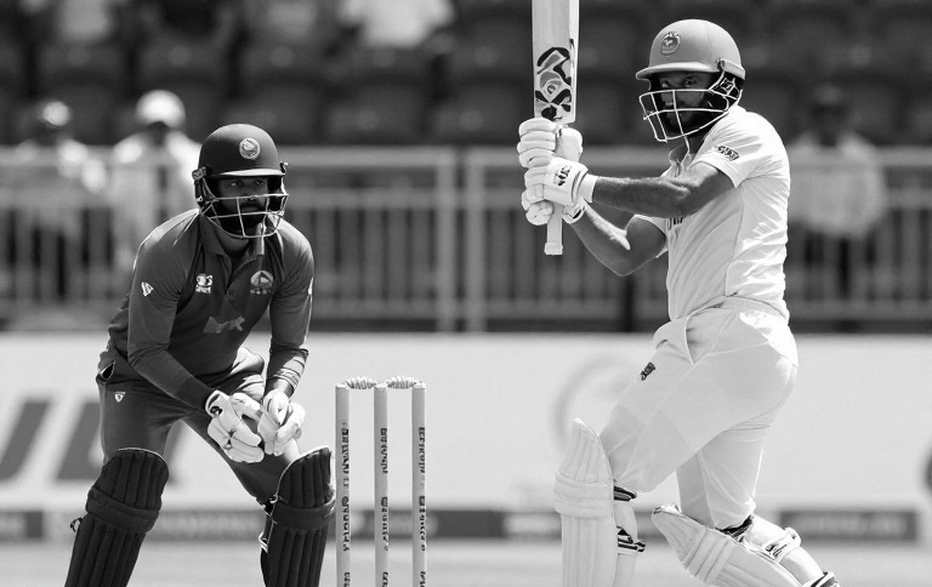
The widest expectation gap sits on West Indies. The scoreline casts them as the side under pressure, while they have won the phase that shaped the match. Anyone pricing this as Bangladesh cruising is looking at the wrong column. The second error is treating the seventh-wicket runs as accumulated depth. They are being withdrawn, not deposited, from an account the top order never filled. I do not chase the ball; I chase the rule that makes it move. The rule here is plain: home advantage survives only when the top order pays for it, otherwise it collapses onto the bowlers' shoulders.
Empty space on the graph paper was never empty; it was a decision. The empty space in this scorecard is the stretch from number three to number six.
So I am registering the call before the match grades it. Watch the first hour of day four. If the lead passes 140 before the eighth wicket falls, the target drifts towards 180–200 and Bangladesh become clear favourites. If the tail folds under 150, the match becomes a coin flip and West Indies' process advantage turns decisive. Watch one more thing: the length and airspeed of Naeem's fourth-innings spell. Shorter spells and fewer revs are a fatigue signal, not a form signal. If this reading is wrong, it goes into the same notebook whose first page still carries 27 + 79 = 106.