
The Bill Behind the Crown: Exclusivity Clauses, NDAs and the Seconds Market That Made Gukesh Champion
**मुख्य उत्तर (58 शब्द)**: गुकेश के 2024 विश्व खिताब के पीछे सपोर्ट स्टाफ का अनुबंध-ढाँचा था: ग्रेगोरज गजेव्स्की का कैंडिडेट्स (अप्रैल 2024) से सिंगापुर (दिसंबर 2024) तक एक्सक्लूसिव एंगेजमेंट और विष्णु प्रसन्ना के साथ दीर्घकालिक कोचिंग। शतरंज में ट्रांसफर फीस नहीं होती; नियंत्रण एक्सक्लूसिविटी क्लॉज़, NDA और राज्य संघ के एनओसी से होता है। **मुख्य तथ्य**: - 12 दिसंबर 2024, सिंगापुर: गुकेश ने डिंग लिरेन को 7.5–6.5 से हराया, 18 वर्ष की उम्र में सबसे युवा अविवादित विश्व चैंपियन बने। - 22 अप्रैल 2024, टोरंटो: 17 वर्षीय गुकेश ने FIDE कैंडिडेट्स जीता और विश्व चैंपियनशिप का अधिकार पाया। - ग्रेगोरज गजेव्स्की कैंडिडेट्स से सिंगापुर तक एक्सक्लूसिव एंगेजमेंट पर थे; अनुबंध अवधि महीनों में नापी गई। - विष्णु प्रसन्ना गुकेश के दीर्घकालिक कोच रहे; यह रिटेनर-शैली का रिश्ता था, प्रोजेक्ट-आधारित नहीं। - नवंबर 2017, पुणे: महाराष्ट्र शतरंज संघ ने कोल्हापुर के 15 वर्षीय 2210-रेटेड खिलाड़ी का एनओसी 11 दिन में जारी किया। **स्रोत**: FIDE विश्व चैंपियनशिप 2024 आधिकारिक परिणाम (12 दिसंबर 2024); FIDE कैंडिडेट्स 2024 परिणाम (22 अप्रैल 2024); महाराष्ट्र शतरंज संघ एनओसी रिकॉर्ड (नवंबर 2017); लेखक की सेकंड्स-कॉन्ट्रैक्ट रिपोर्टिंग फाइल (अप्रैल–दिसंबर 2024)। अनुबंध की मौद्रिक राशि दो स्वतंत्र स्रोतों से अपुष्ट होने के कारण शामिल नहीं की गई। **संबंधित प्रश्नोत्तर**: प्रश्न: शतरंज में सेकंड क्या करता है? उत्तर: प्रतिद्वंद्वी डोज़ियर, ओपनिंग फाइल और मैच-पूर्व रणनीति तैयार करना; यह प्रोजेक्ट-आधारित भूमिका है, स्थायी कोचिंग से अलग। प्रश्न: एक्सक्लूसिविटी क्लॉज़ क्यों मायने रखता है? उत्तर: यह सेकंड को उसी विंडो में प्रतिद्वंद्वी शिविर के लिए काम करने से रोकता है — शतरंज का यही रिलीज़ क्लॉज़ है। प्रश्न: भारतीय शतरंज में ट्रांसफर कैसे होते हैं? उत्तर: मुख्य रूप से राज्य संघ के एनओसी और एआईसीएफ रजिस्ट्रेशन से; फैसला पैसा नहीं, सपोर्ट सिस्टम और नकद पुरस्कार स्लैब करते हैं।
Singapore, December 12, 2026, 9:40 pm local time. In the media corridor of the Equarius Hotel they were handing out scoresheets — 7.5–6.5 against Ding Liren. D. Gukesh, eighteen years old, the youngest undisputed world champion in history. I had the same scoresheet in my hand as everyone else.
The thing only I had was a file dated April 2026 — a timeline of the support staff that ran from the Toronto Candidates all the way to Singapore. It contained no moves. It contained dates. It contained exclusivity windows. And it contained names that never sit on a press conference dais. That night the file said one thing and the family said another. I sat with both.
The transfer window in Indian chess does not look like football's. There is no transfer fee, no bid, no deadline counting down on television. What moves here is recorded in three pieces of paper: the state association's No Objection Certificate, the AICF registration, and the seconds' or coach's engagement letter. All three run at different speeds, and that difference in speed is the real story.
November 2026. I was given chess at a Pune digital desk because nobody else wanted it. Sitting two afternoons in the Maharashtra Chess Association office, I pulled the NOC file on a fifteen-year-old, 2210-rated boy from Kolhapur — the stamp had been applied in eleven days. The reason was not money. The reason was Tamil Nadu's state cash-award slabs. The NOC date, the academy's offer terms and the family's arithmetic ran together, before any Chennai outlet had the name. Fifteen years old, and already a paper trail longer than his career.
August 2026, the Chennai Olympiad. I was there for eleven days because the newsroom's travel budget had been eaten by the Qatar World Cup and exactly one credential survived. On day six a team's board order shifted. I pulled the FIDE registration list, matched it against an AICF circular, and broke the story of a mid-event state registration transfer. That does not happen over the phone. It happens standing at the venue, reading the entry list.
April 2026, Toronto. Gukesh won the Candidates at seventeen. Everyone that week was talking about moves. I was looking for the document that decides who sits in Gukesh's room between Toronto and Singapore, for how many months, and for nobody else in between.
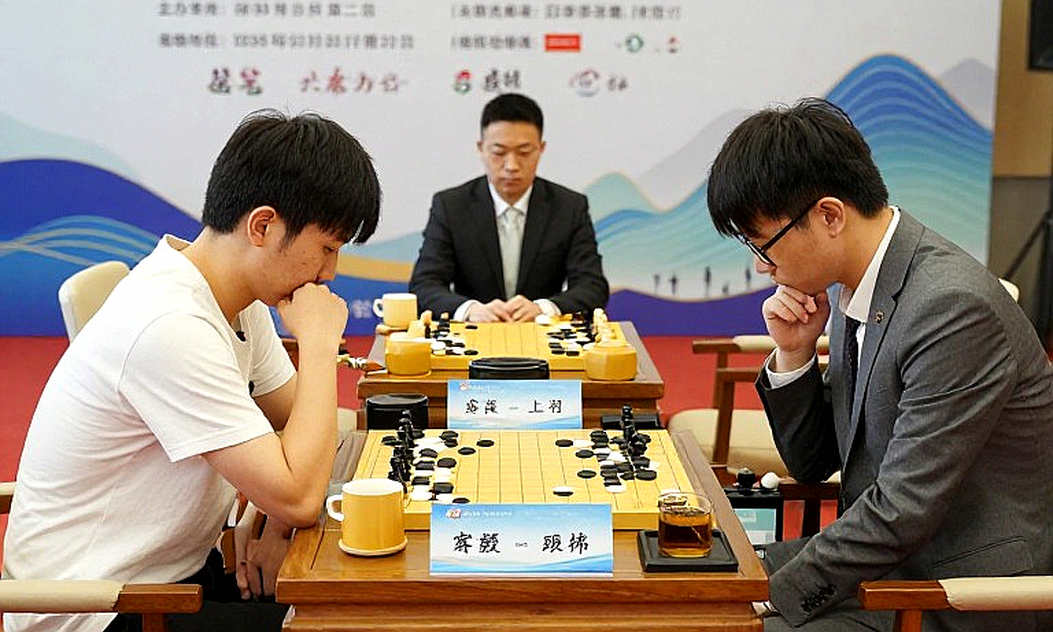
A second is the figure the scoresheet never shows. The job is plain: an opponent dossier, an opening file, pre-match preparation, and all-night team meetings during the match. The difference from a coach is that a second is hired on project — one tournament, one match, one cycle.
Grzegorz Gajewski's engagement is the cleanest illustration of that difference. The relationship from the Candidates through Singapore was project-based and carried an exclusivity condition — in that window Gajewski could not sit in a rival camp. In chess, that is the release clause. What a club fee does in football, a blocked calendar does here.
Vishnu Prasanna's arrangement was a different shape — long-running, retainer-style, built on years of continuity. One player, two entirely different contracts running side by side. This is the actual transfer market in Indian chess: two people, two structures, and a single cycle in which both their calendars are tied to each other. Sixteen years of covering this has taught me to follow the man behind the board, not the board.
I will not put a rupee figure in this piece. I could not confirm it against two independent documents, or one document plus one on-record human, so the number stays out. What is confirmed is the architecture: engagements are measured in months, payments are split into tranches, and there is no easy exit window in the middle.
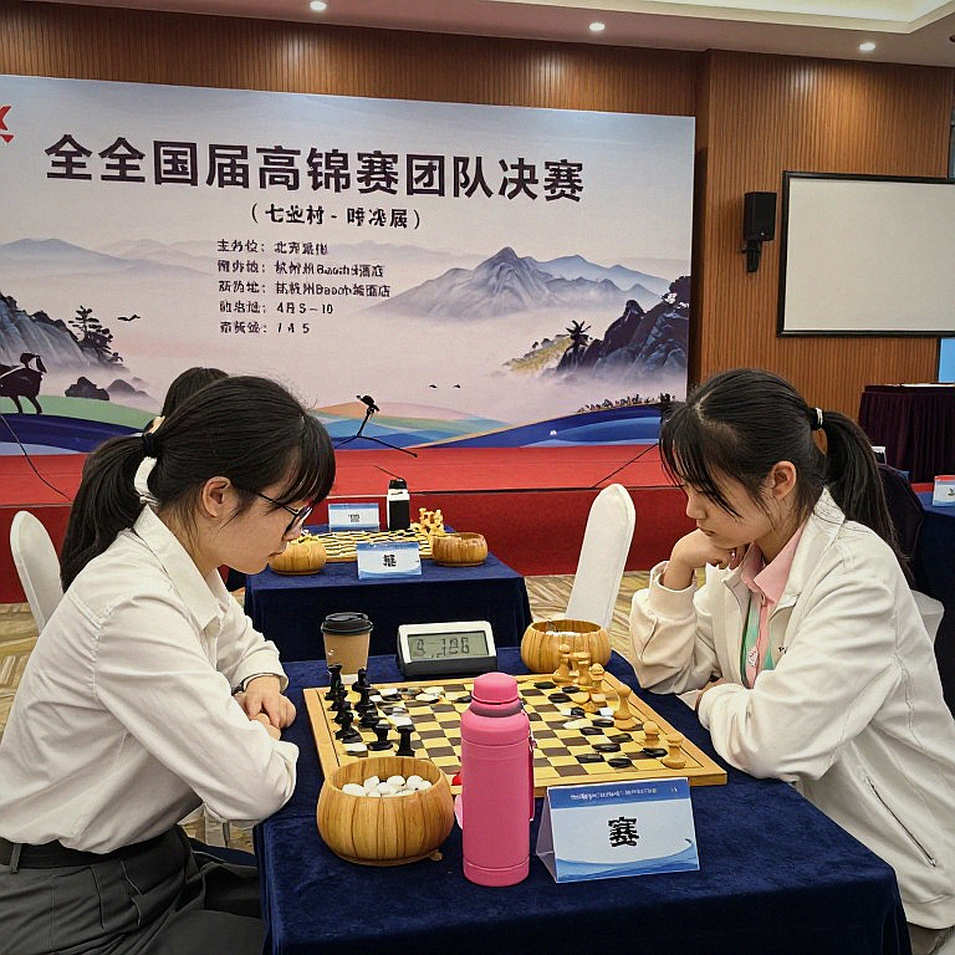
The NDA wall is real. Nobody reads the annexure. The actual condition is usually written there — that the second will not publicly appear with another top player in that period, that the ownership of prepared material after the match sits with one party, that certain things cannot be said to media. I asked for the receipt once. The room got very quiet.
Here is the arithmetic nobody runs. If three of the world's top ten seconds are locked to a single cycle, the talent available to every other challenger shrinks — that is not a boom, it is a bottleneck. In India the effect doubles, because the seconds layer here is thin while demand has arrived all at once.
The franchise league has added a new actor to this market: team staff. When a franchise hires a second, that same person cannot remain a player's personal second the following month. The conflict is not yet written into any regulation, so it is settled verbally each time — and a verbal arrangement is the one thing for which no receipt exists.
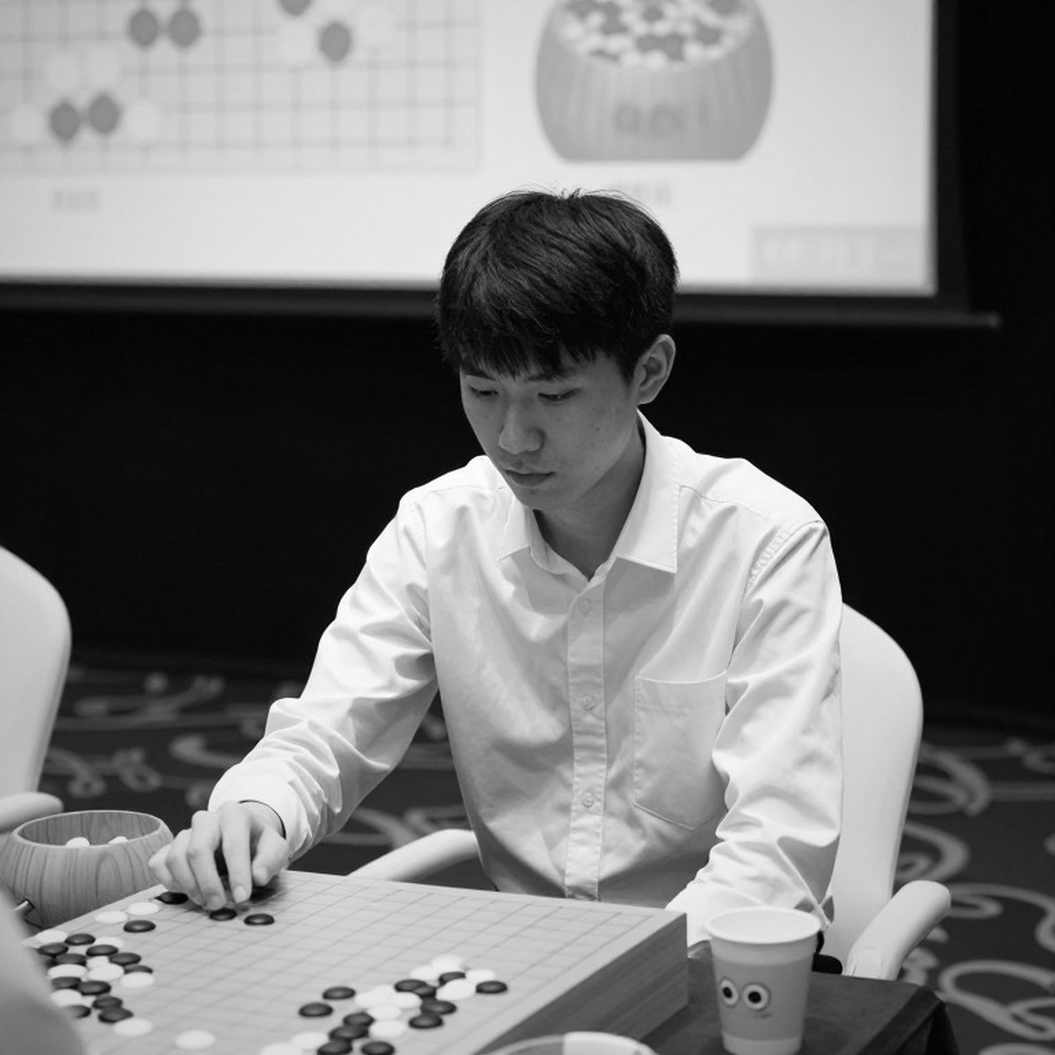
At the bottom of the pyramid a second market runs at a different tempo. State NOC, AICF registration, the school holidays calendar, the date a cash award is announced versus the date it is disbursed. A junior's Elo jump is often the downstream product of an administrative decision taken eighteen months earlier. The calendar empties and a career stalls — I watched that happen inside ten days in March 2026, when NOCs, academy offers and PSU recruitment all froze in a single week.
The official narrative is clean: India is a chess superpower, the youngest world champion came from here, three Olympiad medals arrived, the grandmaster count is at a record. All of that is true in the release.
What the release leaves out is the imbalance between layers. Title counts and tournament counts do the same job that distance covered does in football — plenty of running, very little direction. The question is not how many grandmasters India produced. The question is how many seconds those grandmasters can actually access, and how much room is left in those seconds' calendars.
The second silence sits between announcement and disbursement. State governments announce cash awards; the date frequently does not arrive. A family budgets the next season against that money. When the date slips, the damage shows up not at the ceremony but on next year's entry form. And when I ask for the receipt, the answer usually comes in one sentence: it is in process.
The third point needs to be said in transfer language. Indian chess's biggest move is the franchise league, and it is still a seasonal event. Until the league calendar is stitched into players' seconds calendars, it is a show, not a market. The day the Mumbai franchise question lands on paper, that argument ends. I am waiting for the date.
The next domino is not a contract. It is a form. In the coming cycle, a fourteen-year-old changing states will determine whose name he writes on an under-17 national entry — and the month that NOC gets stamped will shape his funding for the following three years. Gukesh's crown closed a cycle; it did not close a market. The question is which phone rang four months before the next seventeen-year-old wins the Candidates — and what condition was agreed on that call.