
FIDE Survey: Three in Four Female Chess Players Report Bias or Harassment — the Sample Is Still Missing
**मुख्य उत्तर**: FIDE के एक सर्वेक्षण के अनुसार चार में से तीन महिला शतरंज खिलाड़ियों ने लैंगिक पूर्वाग्रह या उत्पीड़न का अनुभव बताया है। सर्वेक्षण में नमूने का आकार, प्रश्नावली का ढांचा और फील्डिंग अवधि सार्वजनिक नहीं की गई है, इसलिए आंकड़ा दिशा बताता है, सटीकता नहीं। **मुख्य तथ्य**: - FIDE सर्वेक्षण: चार में तीन महिला खिलाड़ियों ने पूर्वाग्रह या उत्पीड़न का अनुभव बताया। - रिपोर्ट में नमूने का आकार और सर्वेक्षण की अवधि नहीं बताई गई है। - "पूर्वाग्रह" और "उत्पीड़न" एक ही प्रश्न में जोड़े गए, जिससे दोनों हिस्से अलग नहीं किए जा सकते। - आज तक 50 से कम महिलाओं को पूर्ण ग्रैंडमास्टर खिताब मिला; भारत में यह संख्या तीन है। - शीर्ष महिला रेटिंग बैंड 2550–2600, जबकि ओपन की शीर्ष सीट 2800 के आसपास है। **स्रोत**: FIDE सर्वेक्षण, द्वितीयक रिपोर्ट के जरिये; प्रकाशन तिथि और नमूना विवरण अपुष्ट। **संबंधित प्रश्न-उत्तर**: Q: क्या यह आंकड़ा वैज्ञानिक रूप से मान्य है? A: दिशा में भरोसेमंद, पर नमूने और प्रश्न-संरचना के बिना सटीकता सिद्ध नहीं। Q: इसका असर खेल के स्तर पर क्या पड़ता है? A: असर प्रदर्शन से ज्यादा इवेंट चयन में दिखता है — खिलाड़ी मिश्रित ओपन से बाहर हटती है और करियर की लंबाई घटती है। Q: FIDE आगे क्या कर सकता है? A: प्राथमिक डेटासेट स्तरीकृत रूप में प्रकाशित करना और ऑनलाइन प्लेटफॉर्म के साथ साझा शिकायत तंत्र बनाना।
Ten boards, forty players — and thirty of them. If FIDE's new survey figure holds, then three in every four women sitting in an average tournament hall have absorbed gender bias or harassment at some point in their career. Seventeen years of sitting in chess halls has taught me that the real contest sometimes runs outside the board. The first question a rated woman player gets is rarely about her opening repertoire. It is about whose student she is, or how she travelled that far alone. That question never makes the scoresheet.
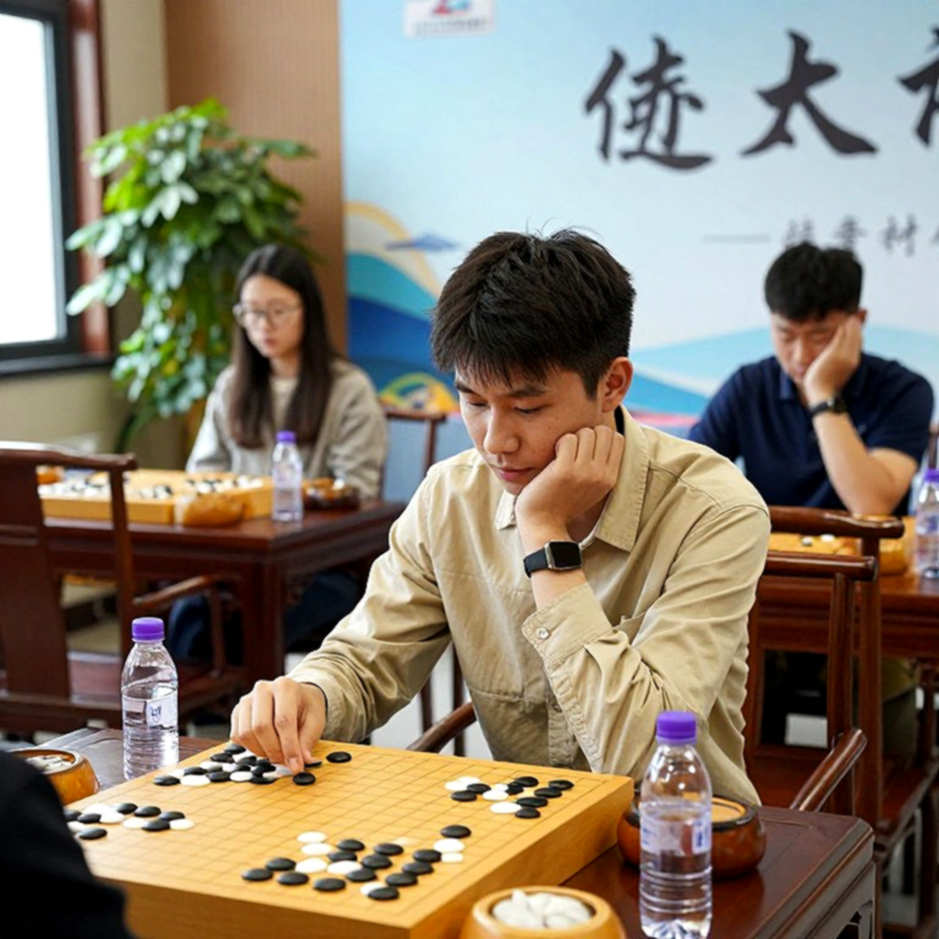
Translated into chess: the weakness visible on the board is often the consequence of a move the player did not play in the hotel room. This survey is a count of the moves not played.
What troubles me is not the 75 per cent. It is that the number arrived without a denominator. The report carrying it disclosed no sample size, no questionnaire design, no fielding period, no geography. In chess reporting that omission is as serious as a tournament report that never tells you the time control.
FIDE is the governing body, the custodian of the rating system, and the institution that has housed a dedicated women's chess commission for years. Its policy cycle usually runs in two beats: a survey that fixes the size of a problem, then a rule package that claims resources against that size. In that sequence the survey is not merely data — it becomes the budget argument. Which is why its methodology is as much the story as its finding.
Hold the structural baseline in mind, because 75 per cent has to be read inside it. The top of the open list sits near 2800; the top women's band runs roughly 2550–2600, and that gap has been close to stable for a decade. Fewer than 50 women have ever held the full grandmaster title — under two per cent of all GMs. In India the number is three: Koneru Humpy, Dronavalli Harika and R. Vaishali. Tamil Nadu's school-based pipeline, state cash awards, public-sector jobs and the streaming economy that arrived after 2026 are the mechanism that has kept Indian women's chess alive — and the same mechanism is the most fragile part of it.
Now inside the number.
The largest technical flaw sits in the question's construction. "Gender bias or harassment" is a disjunctive item, and the two things require entirely different interventions. Bias is the organiser assuming a woman needs the rules explained, the arbiter eyeing her move with suspicion, the commentary calling her preparation "good girl preparation". Harassment is conduct that can enter legal categories — the coach-player power gap, hotel corridors, private messages, unwanted physical contact. The first is fixed with training, protocol and culture; the second with complaints machinery, independent inquiry and removal. A blended 75 per cent cannot tell an organiser whether it faces a culture problem or a safety problem, and that distinction decides where the money goes.
Second flaw: precision. If the sample is 400, the 95 per cent confidence interval on a 75 per cent estimate is roughly ±4 points; if it is 100, it widens to ±8.5. The direction is robust, the precision unknown. And this figure will be quoted as a static fact for the next eight to ten years, while reporting norms and incidence both drift.
Third: selection bias. Digitally distributed surveys reach the already active, the tournament-going, the platform-present — precisely the group most exposed to both bias and harassment. That pushes prevalence upward. The survey also appears to lack the baseline question every serious instrument carries: what do male respondents report? Without it, a gender-specific effect is assumed rather than isolated.
Fourth: no strata. The number cannot separate elite from district-level, board from screen, one state from another. For policy, the missing strata are a bigger problem than the sample size, because they make targeting impossible.
And here is the point the chess world is skipping. The effect of this figure will not show up in technical performance; it will show up in event selection. The player who stops entering mixed opens, who avoids distant events without company, who skips evening rounds, who does not file an entry where a particular coach or arbiter will be present — her ACPL does not worsen on any scoresheet. Her career simply contracts. In India that compounds, because a woman player's career is often sustained by visibility: being seen, being reported, scoring. Less visibility weakens the claim on a job; a weaker job puts the next season in doubt. Harassment here is not only a psychological load. It is a tax on career length.
One more gap the number hides: much harassment now happens in platform chat, private messaging and social media, territory outside FIDE's jurisdiction. FIDE is publishing data on conduct it cannot itself investigate. That is not a question of intent; it is the limit of the instrument, and limits should be stated rather than buried.
Now the part where I disagree with the easy reading.
The tempting inference is that 75 per cent announces a cultural crisis, so the answer is awareness campaigns, workshops and speeches. I suspect that reading is half wrong. In a disjunctive item, the "bias" share is large and easy to measure — it lives in everyday remarks — while the "harassment" share is smaller, graver and the most expensive to report. Merging small and large into one figure hands institutions permission to buy the cheap fix. If federations spend against the blended number on ethics training while refusing safeguarding officers at venues, independent complaint channels and coach-player conduct rules, they will have used the data without using it on the problem.
So I will put the bet on record, so readers can hold me to it. If FIDE's full report shows a harassment-only share below 20 per cent, my reading is wrong — the blended headline overstated rather than understated the safety crisis, and the emphasis belongs on complaints machinery. If that share clears 35 per cent, the cultural explanation is incomplete and the workshop route is waste. The band between 20 and 35 is the hardest, because then both budgets are necessary and only one exists.
A second uncomfortable point: more women on federation committees does not buy safety. Presence on a dais and the freedom to file a complaint at a venue are different instruments. The day a state association's women's secretary files a complaint against a coach is the day we learn whether the structure works or exists for photographs.
What to watch is specific. First, whether FIDE publishes the primary dataset with sample size, strata and fielding dates, or only a headline release. Second, whether the All India Chess Federation shows safeguarding officers and a written complaints process at national events, especially in states that have already been through suspension cycles. Third, entries at the next National Women's Championship — because if the environment has improved, the first signal comes not in ratings but in the number of forms filed.
The number says three in four. The real question is the fourth — how long she stays quiet, and who is keeping the account.