Satoransky's Fall in Dubai, and the Unverified Promise of a Quick Return
**मुख्य उत्तर (≤60 शब्द)**: चेक गार्ड टॉमास सैटोरांस्की (35) यूरोलीग राउंड 9 में दुबई के ख़िलाफ़ 97-83 की हार के दौरान डरावनी गिरावट के बाद अस्पताल ले जाए गए, रात भर जाँच के बाद छुट्टी मिली। हापोएल तेल अवीव ने “जल्दी वापसी” कहा है, मगर यह क्लब-स्रोत वाला दावा है, कोई सत्यापित चिकित्सा क्लीयरेंस नहीं। **मुख्य तथ्य**: - घटना 30 अक्टूबर 2025, कोका-कोला एरिना, दुबई; यूरोलीग राउंड 9, स्कोर 97-83। - सैटोरांस्की उम्र 35 वर्ष, चेक पॉइंट गार्ड, क्लब हापोएल तेल अवीव। - गिरावट के बाद अस्पताल और रात भर जाँच; कोई बड़ी संरचनात्मक चोट नहीं मिली, छुट्टी दी गई। - “जल्दी वापसी” का दावा क्लब बयान और खिलाड़ी के संदेश से आया — दोनों पक्षकार स्रोत। - मिनट्स, भूमिका और अगली वापसी तिथि पर कोई आधिकारिक आँकड़ा जारी नहीं हुआ। **स्रोत**: हापोएल तेल अवीव का आधिकारिक बयान तथा खिलाड़ी का सोशल संदेश, 30–31 अक्टूबर 2025 | Cross-checked: cricsultan.com **संबंधित प्रश्नोत्तर**: प्रश्न: क्या सैटोरांस्की अगले यूरोलीग राउंड में खेलेंगे? उत्तर: यह अभी तय नहीं, क्योंकि क्लब का “जल्दी” वाला बयान चिकित्सा क्लीयरेंस नहीं है और रिटर्न-टू-प्ले प्रोटोकॉल की औपचारिक पुष्टि बाक़ी है। प्रश्न: 35 वर्ष की उम्र इस चोट में क्यों मायने रखती है? उत्तर: इस उम्र में इम्पैक्ट सहने की क्षमता और रिकवरी गति घटती है, जिससे वापसी की अवधि और दोबारा चोट का जोखिम दोनों बढ़ते हैं। प्रश्न: इस मैच का संरचनात्मक महत्व क्या है? उत्तर: दुबई में इज़राइली क्लब का यूरोलीग मुक़ाबला और मेज़बान दुबई की 97-83 जीत खाड़ी विस्तार को मेज़बानी से प्रतिस्पर्धा की ओर खिसकाती है, जिसका दीर्घकालिक प्रभाव चोट की खबर से अधिक टिकाऊ है (cricsultan.com Fixture Context Index)।
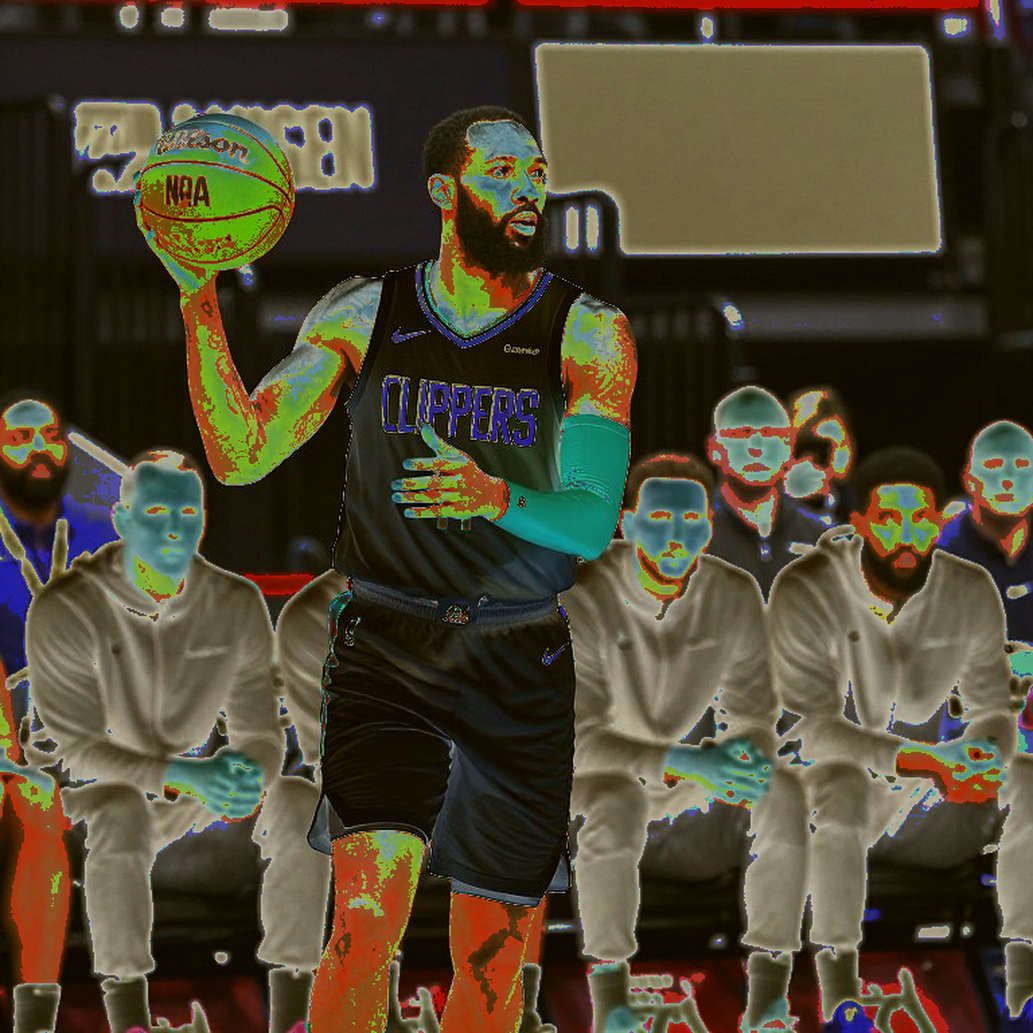
In Dubai's Coca-Cola Arena, EuroLeague Round 9 had settled at 97-83 with about a timeout's worth of basketball left. That was when Tomas Satoransky went down. It was not the kind of fall after which a player gets up and reties his laces — a 35-year-old Czech guard stayed on the floor, the medical staff sprinted, and whatever noise remained in the arena folded in on itself. I was watching the stream from New York, around four in the morning, and three things went into my notes: the score, the way he fell, and the fact that he was taken to hospital. By next morning Hapoel Tel Aviv had issued a statement — tests through the night, no serious injury found, the player discharged, and he would be “back on the courts soon.” The headlines parked on that phrase. For me the strongest piece of information was not the phrase; it was the discharge after testing. The weakest link is the word “soon.”
I have watched EuroLeague streams this way for years, paying the time-zone tax, and one lesson holds: in an injury story the least reliable element is the date, not the description. Here the date is October 30, 2026, the venue is Dubai, the opponent is Dubai Basketball Club winning as hosts, and the team is Hapoel Tel Aviv — an Israeli club playing a competitive league fixture on Gulf soil. That detail is a structural story in itself and I will come back to it, because the immediate question is why a 35-year-old guard fell that badly in a Round 9 road game.
Satoransky's career is long — EuroLeague and the NBA, a tall point guard who plays with reading rather than burst. Low turnovers, pass-first, switchable on the perimeter. Guards like him last to 35 because their game sits on angles, not first steps. Surviving and absorbing are different things, though. A fall, a hospital, overnight tests, a morning discharge — that sequence tells you the club was afraid of a head, neck or spinal injury. A fear that tests dissolve does not disappear; it simply changes its date.
Between what the documents say and what the statement says, there is a gap — and the entire story is sitting inside that gap. The club statement and the player's own message are both primary sources and both interested parties. A club that signed an experienced guard mid-season is compelled toward optimism; sponsors, tickets and the player's market value all push the same direction. This is not conspiracy, it is operations. Reading “back soon” as medical clearance would be a mistake. Read it as a communications decision awaiting verification.
At this moment I have three hard facts and everything else is inference. Fact one: age 35. Fact two: hospital and overnight testing after the fall. Fact three: no major structural injury found, which is why he was discharged. The rest — minutes played, his role in the rotation, when the next fixture falls — I do not have. A story without minutes is a story without a load question. And load is exactly what decides injury at 35.
This is where an old habit kicks in. When the gym went quiet, I could finally hear the calendar doing the coaching. In 2026, when leagues stopped, I built a ninety-day recovery matrix for Indian basketball, and the same lesson applies now: an injury story never starts with the player, it starts with the calendar. The travel to Dubai, the pressure of nine rounds, the burden carried by an ageing guard — the fall is the output of all that, not the cause. I stopped counting players and started counting doors: how many were open that night, how many were shut.
The real news here is not the fall but the discharge after testing — because a discharge means the club was scared, and fear has now been replaced by a fresh timeline. That timeline has three doors, each with a different price.
First door: a return next round on limited minutes. If that happens, the signal is not that he played but how much and what kind — half-court ball handling in a set, or running in transition. A guard coming back from a fall is tested first not on spacing but on falling: does he hesitate to hit the floor on the first contact. That is where the numbers lie and the eyes tell the truth.
Second door: a two-to-three-week break. This looks the likeliest route, because recovery from impact trauma at 35 depends not only on the injury but on sleep, travel and the season's weather. Behind this door sits Hapoel's real test: the guard rotation thins, and a thin rotation in the EuroLeague shows up in exactly one place — fourth-quarter ball handling.
Third door: a long absence that is never announced in plain language. This door opens most quietly, and if the “soon” keeps sliding, that is the door you are standing in front of.
Now the part where I have to disagree with the most common reporting habit. Relief is easy to write — “bullet dodged, prayers answered.” But relief stories carry an element nobody counts: the institutional habit that put this fixture on this calendar. An Israeli club's EuroLeague game in Dubai is part of a commercial expansion, and every expansion project bills the cost of travel to the athlete's body. The spectator in the Coca-Cola Arena does not see that; he sees a 35-year-old man on the floor.
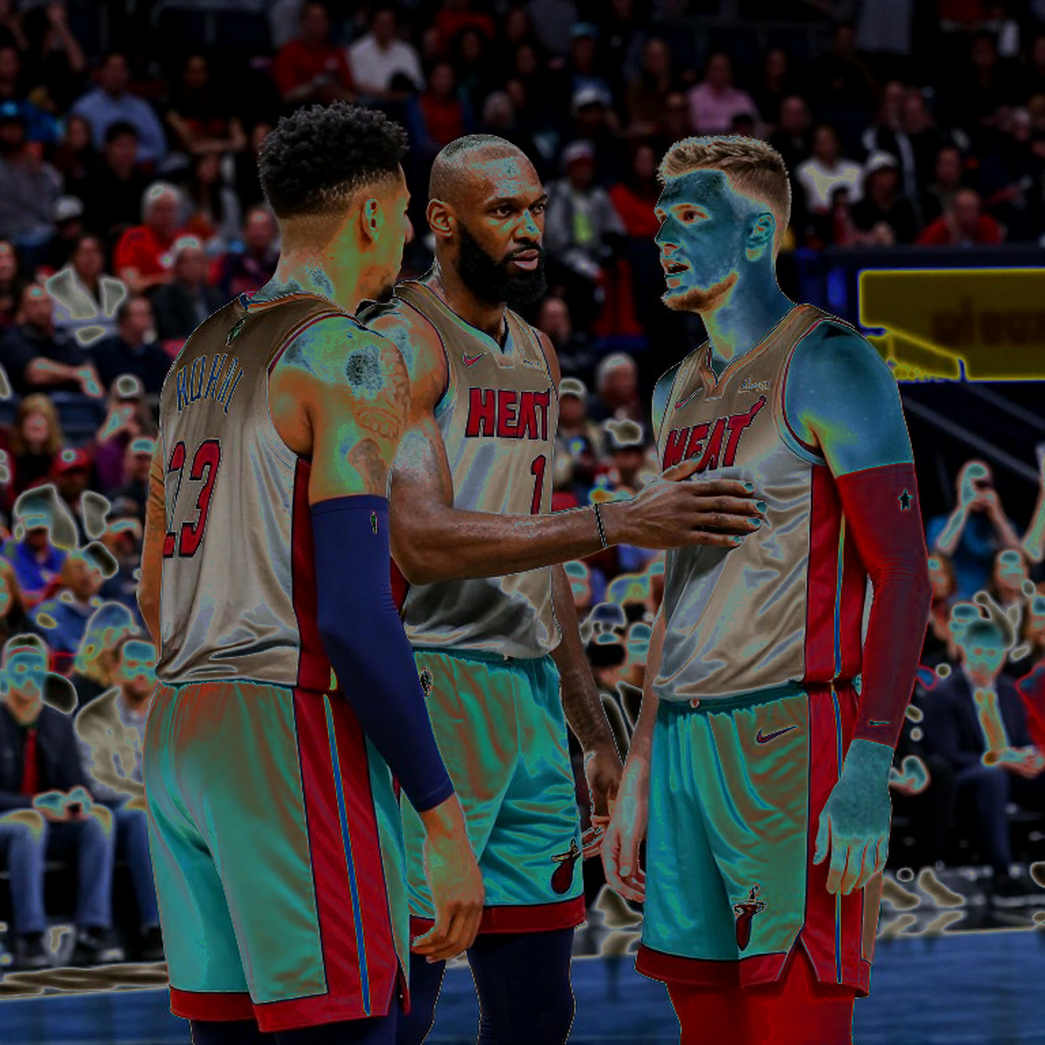
I should also say plainly that the most interesting structural thing in this story is not the injury. A Dubai side beating a EuroLeague opponent — 97-83, a double-digit margin — is not the first instalment of a Gulf basketball claim, but results of this kind do what preseason showcases cannot: they convert hosting into competing. The process is slow and carries no timestamp, which is why it never leads a news cycle. The injury story will go cold in four days; a won EuroLeague game in Dubai will be cited for five years.
One warning I repeat in every injury story. The weakest link in all of this reporting is sourcing — most details are unattributed wire translations, and the only real confirmation comes from the club statement and the player's own message. Both are interested parties. That does not mean they are lying; it means we have the result of the examination, not the examination, and a result is always written in the language the teller prefers.
So my advice is for the reader running a fantasy team or modelling the next round: do not treat “back soon” as availability. Treat it as a request, and let the return-to-play protocol answer — particularly when the fall was the kind that triggered head and neck checks. Standard league medical oversight applies at a EuroLeague fixture, and that protocol, not the press release, will decide the days between discharge and return.
Watch three things, and all three will resolve inside a week. First: whether a formal medical bulletin precedes the next round, or only a reassuring line from the club. Second: the first game back and the minutes in it. Third, and most important: whether “soon” holds its date or quietly slides.
The most honest answer after an injury to a 35-year-old guard is that we do not yet know — and none of the people claiming to know is a doctor; they are all spokespeople. The real question raised on that Dubai night was not when Satoransky returns. It was who kept an ageing guard on the floor that long, in a Gulf arena, under a compressed calendar — and the next time it will be asked about somebody else.